Loading restaurant desklive
Callssyncing...
Orderssyncing...
Menusyncing...
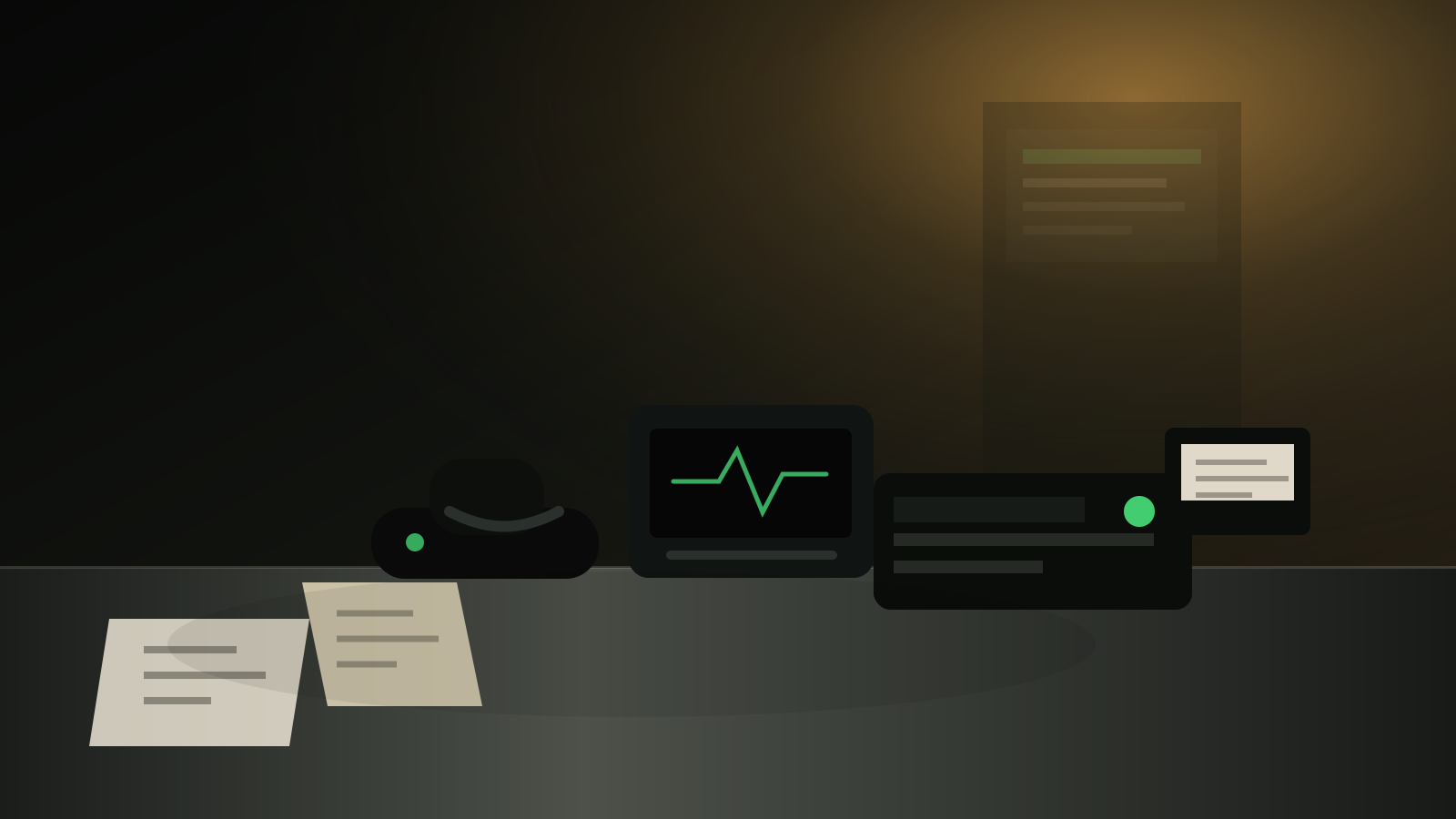
Phone order answering for independent restaurants
Orderer answers restaurant calls, turns them into kitchen-ready tickets, and sends payment links without pretending you hired another cashier.
Incoming call
Customer changed size twice. Ticket stayed clean.
Missed-call ledger
The desk shows what rang, what became an order, what was missed, and what needs staff attention.
Use the ledger to see which calls became orders and which ones need staff attention.
Live order demo
A live order call covers pickup or delivery, menu questions, modifiers, payment choice, and a clean ticket at the end.
Hear the ordering flow before asking staff or customers to trust it.
Follow pending payment, kitchen prep, ready, cancellation, and handoff states.

One-click setup, explained honestly
Setup stays concrete: the owner sees the menu, greeting, forwarding target, and test call before customers hear Orderer.
Upload or paste the actual menu the kitchen uses.
Pick the greeting, handoff rules, and hours.
Forward your line during rush, after hours, or all day.
Call Orderer before customers ever hear it.
Cheaper than staffing
Do not bury the advantage. Independent restaurants compare this to missed calls, overtime, and another person answering the phone.
The honest comparison is simple: fewer missed calls without another counter shift.
Objections
Trust comes from naming edge cases, not pretending restaurants are clean workflows.
Orderer asks one clear follow-up, hands off when needed, and leaves a transcript so staff can see what happened.
No. Start with clean kitchen tickets, transcript review, and payment links. POS integration comes after the phone flow is stable.
Yes. Handoff rules cover unusual requests, angry callers, catering, allergies, refunds, and anything high risk.
Calls, orders, missed-call recovery, payment status, menu availability, and the exact transcript behind each ticket.
Final call
Start with a real order call, then inspect the ticket, payment status, and kitchen flow that come out of it.